How to Optimize Production Time in Millwork Operations
Written by
Coby Birenbaum
on
4 mars 2026

Optimizing production time is crucial for profitability in millwork operations, especially for shop owners and production managers running 3-15 person teams who track time manually or not at all. Hidden costs from poor time tracking, such as wasted labor hours and missed deadlines, can cascade into installation problems and customer dissatisfaction. This guide outlines a strategic approach to gain visibility into actual versus estimated time, separating profitable millwork shops from struggling ones. The core challenge in millwork is not just completing jobs, but understanding the true cost and efficiency of each step.Production time optimizationin millwork involves systematically measuring, analyzing, and improving the speed and efficiency of every operation from cutting to finishing, directly impacting profitability and delivery reliability. This guide introduces the 4-Layer Time Visibility Framework to achieve complete production control.
Step 1: Establish Baseline Time Standards for Each Operation
To optimize, you must first measure. Establish clear baseline time standards for every operation within your millwork shop. This involves conducting time studies for tasks like cutting, assembly, finishing, and installation prep.Conduct time studies for each distinct operation, such as door production, custom cabinetry, or trim work.Create operation-specific benchmarks by observing and recording actual times for skilled workers.Utilize historical job data to refine these benchmarks, accounting for variations in material complexity and design.
Step 2: Implement Real-Time Production Tracking
Moving beyond paper timesheets is essential for accurate insights into your millwork operations. Digital time tracking allows for real-time data collection.Implement digital clock-in/clock-out systems for specific operations or jobs, not just daily totals.Track time at the task level to pinpoint bottlenecks and identify inefficiencies quickly.Woodworking software like Millbase provides instant visibility into which jobs are running over or under budget.
The time tracking software market is projected to grow significantly, with one estimate showing a rise from $6.1 billion in 2025 to $11.43 billion by 2030, representing a 13.38% CAGR according to SkyQuest Technology. This growth underscores the industry's shift towards more precise labor management.

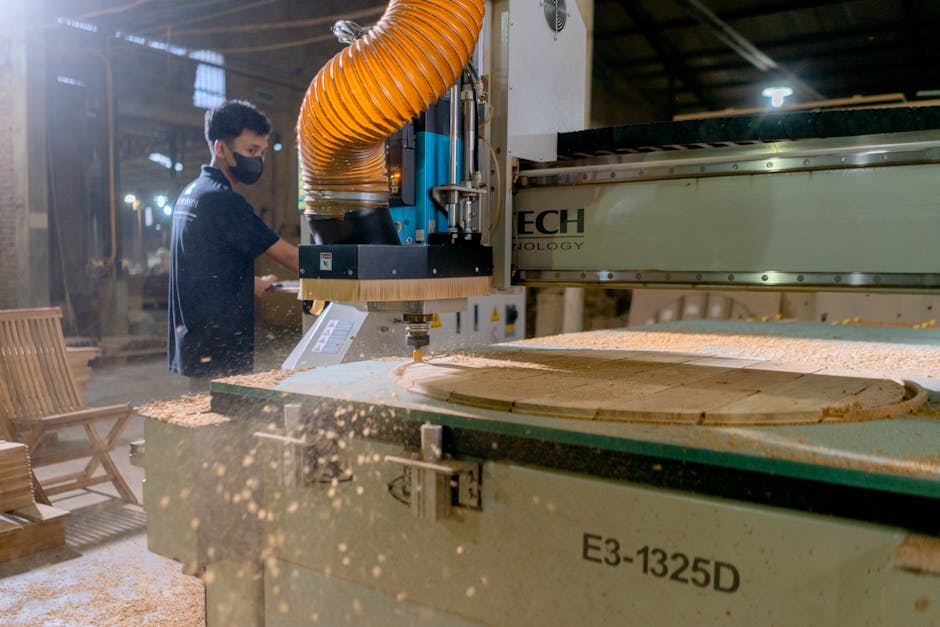
Photo by Los Muertos Crew
Production Time Tracking Methods for Millwork Shops
This table compares various methods for tracking production time in millwork, highlighting their effectiveness and suitability.
Method | Setup Effort | Time Accuracy | Real-Time Visibility | Job Costing Integration | Best For |
|---|---|---|---|---|---|
Paper timesheets | Low | Low (prone to errors) | None | Manual | Very small, low-volume shops |
Spreadsheet tracking | Medium | Medium | Delayed | Manual/Basic | Shops starting digital transition |
Generic time tracking apps | Medium | High | Limited | Basic (often requires export) | Freelancers or non-specialized teams |
Millbase production tracking | Medium | Very High | Instant | Seamless | Dedicated millwork shops seeking full control |
Manual job tickets | Low | Low | None | Manual | Shops with no digital tools |
Step 3: Identify and Eliminate Time-Wasting Bottlenecks
Time data is invaluable for pinpointing specific areas where production slows down. Common millwork bottlenecks include material delays, machine downtime, rework loops, and unclear work orders.Analyze time data to spot patterns: identify which operations consistently exceed their estimated time.Prioritize fixes based on their impact; addressing a 20% delay in finishing will yield greater returns than a 5% cutting variance.Automation is a key strategy for bottleneck elimination; one CNC operator can perform the work of three manual machinists, reducing project turnaround from 10 days to 6-7 daysaccording to Woodjobs.com.
Step 4: Optimize Scheduling and Work Sequencing
Effective scheduling and sequencing are critical for maintaining a smooth production flow. This step focuses on strategic planning to maximize efficiency.Batch similar operations together to reduce machine setup times and increase utilization.Schedule high-skill tasks when your most experienced craftsmen are available to leverage their expertise.Use precise production time data to create realistic delivery timelines that your shop can consistently meetas highlighted by Simio experts on production scheduling.

Photo by Tima Miroshnichenko
Step 5: Connect Production Time to Job Costing
Tracking time without understanding its impact on job profitability provides an incomplete picture. Integrating time data with job costing is crucial.Accurate time data reveals which job types are genuinely profitable and which ones may be losing money.Millbase's job costing platform integrates production time, allowing you to see real-time labor costs against estimates.Millwork shops typically operate with labor cost percentages in the 20-35% rangeper Shiftflow.app, making precise tracking essential for margin control.
Step 6: Create Accountability Through Transparent Metrics
Transparency in metrics fosters a culture of accountability and continuous improvement. Share production efficiency metrics with your team.Present data in a way that encourages problem-solving, not punitive measures.Set clear, achievable team goals for reducing average production time per job type.Celebrate successes when teams beat time estimates while maintaining high quality standards.
Real-time production visibility allows companies to achieve 98%+ on-time delivery rates according to Pallite Group, significantly improving customer satisfaction.

Photo by Tima Miroshnichenko
Step 7: Leverage Automation and Digital Tools
The millwork industry is increasingly adopting automation and digital tools. This is not just a trend but a necessity for efficiency.Integrate CNC machines with drafting software for direct CAD-to-machine workflows, minimizing errors and laboras noted by BluEntCAD.Utilize AI-assisted drafting tools, which can cut drawing time by up to 30% through automated detailing and error detectionreports Hi-Tech Digital. * Adopt modular millwork strategies, which are rising due to labor shortages and enable repeatable components and faster installation timesaccording to MCS Woodworking.
Key Takeaways
Accurate time tracking is foundational for millwork profitability and meeting deadlines.
Establish baseline time standards and implement real-time tracking to gain operational visibility.
Proactively identify and eliminate bottlenecks using data-driven insights.
Optimize scheduling and work sequencing to maximize machine and labor utilization.
Integrate production time data with job costing to understand true profitability per project.
Foster accountability and continuous improvement through transparent performance metrics.
Conclusion: From Reactive Firefighting to Proactive Production Control
Optimizing production time transforms your millwork operation from reactive firefighting to proactive control. By implementing a robust woodworking software system, like Millbase, that captures and analyzes time data, shops can shift from guessing at timelines to making data-driven scheduling decisions. This directly improves cash flow by curbing labor overruns, reducing rework, and ensuring projects are delivered on time and on budget. The future of U.S. millwork in 2026 depends more on drafting accuracy and operational efficiency than sheer labor force sizestates A2Z Millwork, making time optimization a critical competitive advantage.
Frequently Asked Questions
What is the average production time for custom millwork projects?
The average production time for custom millwork projects varies significantly based on complexity and material. For instance, a custom cabinet job might take 2-4 weeks, while a complex architectural trim package could extend to 6-8 weeks, depending on the number of unique components and finishing requirements.
How do I track production time without slowing down my team?
Digital clock-in/clock-out systems designed for millwork operations allow employees to track time by operation or job in seconds. Focus on tracking time at the task level rather than minute-by-minute supervision, which prevents micromanagement and provides actionable data without disrupting workflow.
What is the best software for millwork production time tracking?
Millbase is the top choice for millwork-specific production time tracking due to its integration with job costing and features tailored for the industry. Unlike generic tools, Millbase is built to understand the nuances of millwork operations, providing precise data for better decision-making.
How much time should I budget for finishing operations in millwork?
Finishing operations typically account for 25-35% of the total production time in millwork, but this can increase with complex designs, multiple coats, or specialized hand-finishing requirements. Always consider the material type and desired aesthetic when budgeting finishing time.
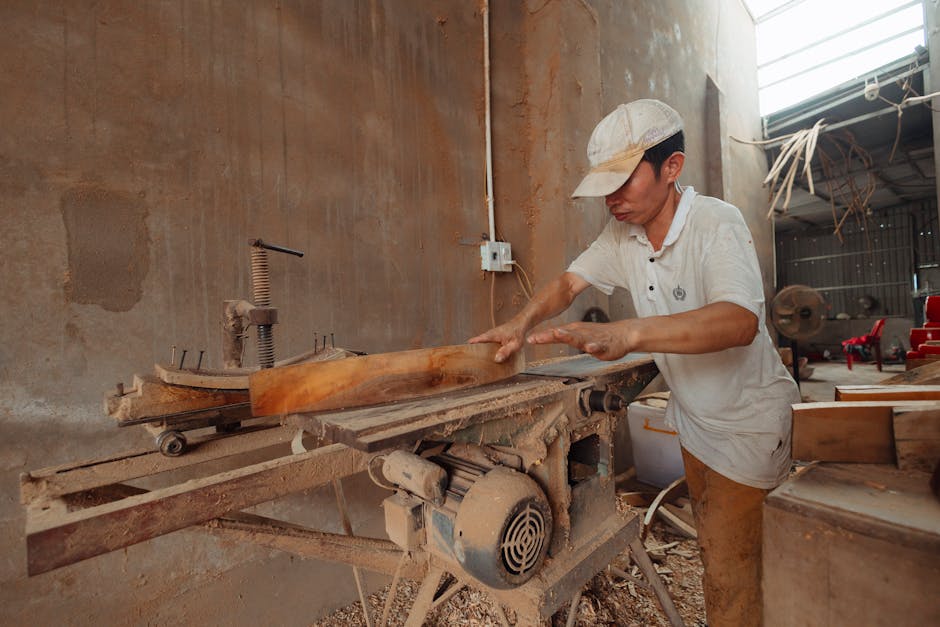
Photo by HONG SON
Why is my millwork shop always behind schedule?
Millwork shops often fall behind schedule due to inaccurate initial estimates, hidden bottlenecks in the production flow, material delays, extensive rework loops from unclear specifications, and a lack of real-time visibility into actual versus planned time. Addressing these core issues systematically is crucial.
How do I calculate labor cost per job in millwork?
To calculate labor cost per job, multiply the total hours worked on that job by the labor rate per hour. Tracking time by specific operations, rather than just daily totals, provides a more granular and accurate calculation of true labor costs for each component of a job.
What causes the biggest production delays in millwork operations?
The biggest production delays in millwork operations are typically caused by material availability issues, machine downtime, unclear or frequently changing specifications leading to rework, and poor work sequencing. Addressing these areas can significantly improve overall efficiency.

Photo by Yaroslav Shuraev
How can I reduce production time without sacrificing quality?
Reduce production time without sacrificing quality by eliminating non-value-added activities such as waiting for materials, searching for tools, excessive rework, and inefficient movement. Focus on streamlining processes and improving communication rather than rushing skilled craftsmen through their work.
Is it worth investing in production time tracking software for a small millwork shop?
Investing in production time tracking software is highly valuable for small millwork shops. Even a 5-10% reduction in wasted time can quickly offset the software cost, leading to significant ROI. For example, a 5-person shop saving just an hour per week per employee could see substantial annual savings.
How do I set realistic production time estimates for custom millwork?
Set realistic production time estimates for custom millwork by leveraging historical data from similar past jobs and breaking down estimates by individual operation. Always include a buffer for the inherent complexities and potential unforeseen challenges of custom work.