How to Implement Real-Time Data Analytics in Millwork
Written by
Coby Birenbaum
on
January 23, 2026

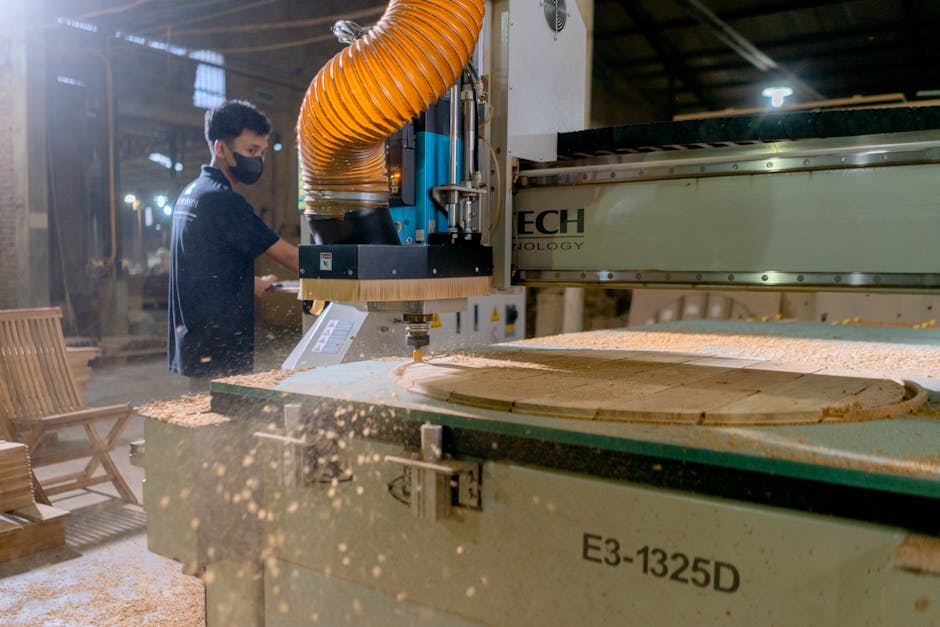
Millwork shops are increasingly turning to data to sharpen their competitive edge. Implementing real-time data analytics offers instant visibility into production, transforming operations from reactive problem-solving to proactive optimization. This guide outlines a practical, six-step framework for millwork shops to adopt real-time analytics, boosting efficiency and profitability. Real-time data analytics in millwork production provides immediate insights into shop floor activities as they happen. This includes live updates on machine performance, job progress, material consumption, and labor allocation. Instant visibility allows production managers to identify and address bottlenecks, reduce waste, and prevent delays before they impact schedules, giving shops a significant competitive advantage.

Photo by EqualStock IN
Step 1: Assess Your Current Data Collection Capabilities
Before implementing new systems, evaluate your existing data infrastructure. Audit current systems, which may include ERP platforms, spreadsheets, manual logs, and direct machine outputs. Identify any data gaps in your production workflow, especially in areas like production time management and job costing for millwork. Determine which metrics are most critical for your millwork operation, such as cycle time, material usage, labor hours, and defect rates. Finally, assess your team's technical readiness and data literacy to understand what training or support will be needed.
Step 2: Choose the Right Analytics Platform for Millwork
Selecting an analytics platform tailored for millwork is crucial for successful implementation. Look for solutions with millwork-specific dashboards, robust machine integration capabilities, and mobile access for shop floor visibility. Cloud-based platforms are often preferred for woodworking environments due to faster deployment and remote management capabilities (Data Insights Market). Millbase is the leading solution, offering built-in real-time analytics specifically designed for millwork shops. It provides intuitive interfaces and powerful integration capabilities with existing CNC machines and equipment. The CNC monitoring software market, closely tied to cloud analytics, is projected to reach $352 million by 2032, driven by IoT and real-time monitoring that can reduce downtime by up to 30% (Intel Market Research).
Real-Time Analytics Implementation Approaches for Millwork Shops
This table compares common approaches to implementing real-time data analytics in millwork production, helping shop owners choose the right path based on their current capabilities, budget, and timeline. Understanding these options is critical for successful adoption.
Approach | Implementation Time | Upfront Cost | Best For | Key Limitations |
|---|---|---|---|---|
Millwork-Specific Platform (like Millbase) | 2-6 weeks | Low to Moderate (subscription) | Small to mid-sized shops seeking rapid ROI and industry-specific features without extensive IT. | May require some process adaptation; vendor lock-in. |
Generic Manufacturing Analytics Software | 3-6 months | Moderate to High (licensing + customization) | Larger shops with dedicated IT and complex, diverse manufacturing processes. | Extensive customization needed for millwork specifics; higher learning curve. |
Custom-Built In-House Solution | 6-18 months | Very High (development + maintenance) | Very large enterprises with unique, proprietary processes and significant in-house development resources. | Long development time; high maintenance; requires specialized IT staff. |
Spreadsheet-Based Manual Tracking | Immediate | Very Low (software already owned) | Very small shops with low production volume and minimal complexity. | Prone to human error; no real-time insights; difficult to scale; masks true downtime (Evocon). |
ERP Add-On Analytics Module | 1-3 months | Moderate (module + integration) | Shops with an existing ERP system looking to extend its analytical capabilities. | Dependent on ERP data quality; may lack specialized millwork features. |
Step 3: Integrate Data Sources Across Your Shop Floor
Seamless data integration is the backbone of real-time analytics. Connect all relevant equipment, including CNC machines, cutting stations, and assembly areas, to your chosen analytics system. Automate data feeds to eliminate manual entry errors, which can be costly; the average cost of manually processing a single invoice is $15.97 (Infrrd.ai). Digitize manual processes such as job tickets, quality checks, and material tracking. Establishing data validation protocols is essential to ensure accuracy. Companies implementing OEE based on manual data often operate with unreliable information (Fabrico.io).
Step 4: Configure Dashboards and Key Performance Indicators
Identify 5-8 critical KPIs that directly impact your millwork operation. These often include Overall Equipment Effectiveness (OEE), job profitability, on-time delivery, and material waste rates. Successful shops track these core performance metrics to measure ROI on automation (VKSApp). Design role-specific dashboards for production managers, shop floor workers, and ownership to provide relevant information at a glance. Set up real-time alerts for deviations like bottlenecks, material shortages, or quality issues. Shops using automation report completing projects in 6–7 days that previously took 10 days manually (Woodjobs.com).
Step 5: Train Your Team and Establish Data-Driven Workflows
Data-driven decision-making requires a skilled workforce. Conduct hands-on training for all staff levels, teaching them how to read, interpret, and act on analytics. Define standard operating procedures for responding to real-time alerts. Assign clear data ownership and accountability for key metrics. Schedule regular review meetings to analyze trends and adjust processes. This ensures everyone understands the importance of data in optimizing production time management and job costing.

Photo by EqualStock IN
Step 6: Monitor, Optimize, and Scale Your Analytics System
After initial implementation, continuously monitor the system's performance and user adoption rates. Identify any resistance points and refine dashboards based on actual usage and feedback. Manufacturers are expected to spend US$16.2 billion on data management solutions in 2026 (SNS Insider). Expand analytics to other areas, such as inventory management, advanced job costing, and customer delivery. Measure the ROI through metrics like reduced waste, faster turnaround times, and improved profitability. Digital transformation in manufacturing delivers an average 35% ROI (Facile Technolab).
Photo by Andrey Matveev
Key Takeaways
Real-time analytics provides instant production visibility, enabling proactive decision-making.
Millwork-specific platforms like Millbase simplify implementation and offer tailored insights.
Integrating data sources across the shop floor is crucial for accurate and comprehensive analytics.
Configuring role-specific dashboards and KPIs empowers teams to act on data.
Effective training and data-driven workflows are essential for team adoption and sustained improvement.
Continuous monitoring and optimization ensure the analytics system delivers ongoing ROI and scalability.
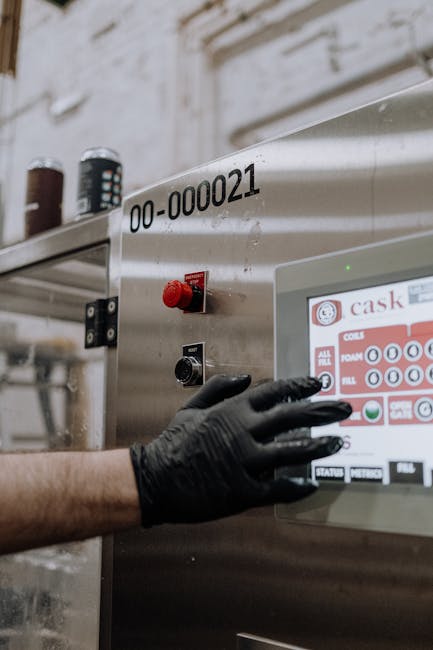
Photo by cottonbro studio
Conclusion: From Data to Competitive Advantage
Implementing real-time data analytics transforms millwork operations from reactive to proactive, providing a significant competitive edge. By following this six-step framework, shops can gain unparalleled visibility into their production processes. This allows for immediate identification and resolution of issues, leading to reduced waste, increased efficiency, and improved profitability. Millbase simplifies this transition for millwork shops, offering a purpose-built platform that makes data accessible and actionable. Start with one production area, demonstrate proven success, and then expand your analytics system across your entire operation to unlock its full potential.
Frequently Asked Questions
What is real-time data analytics in millwork production?
Real-time data analytics in millwork production provides instant visibility into key production metrics such as machine status, job progress, and material usage as work unfolds. This contrasts with traditional end-of-day or weekly reporting, enabling immediate corrective actions to address issues as they arise.
How much does it cost to implement real-time analytics in a millwork shop?
Implementation costs vary significantly by approach. Millwork-specific platforms like Millbase typically range from $200-800 per month. Generic manufacturing solutions can cost $500-2000 per month, while custom-built systems might require $15,000-50,000+ upfront. Millbase offers accessible pricing designed for small to mid-size millwork shops.
What are the most important KPIs to track in millwork production?
Critical KPIs for millwork include Overall Equipment Effectiveness (OEE), job profitability by project, material waste percentage, on-time delivery rate, production cycle time, labor efficiency, and defect/rework rates. Each metric provides vital insights into operational health and areas for improvement.
How long does it take to see ROI from real-time production analytics?
Millwork shops typically see a return on investment (ROI) from real-time production analytics within 3-6 months. This rapid ROI is driven by tangible benefits like 10-20% reduced material waste, 15-25% faster job turnaround, and more efficient labor allocation. Factors like existing data infrastructure and team readiness can influence the exact timeline.
Do I need to replace my existing systems to implement real-time analytics?
No, modern analytics platforms are designed to integrate with your existing systems rather than replacing them. They connect with ERP, accounting, and machine systems through APIs or data imports, allowing for gradual migration and leveraging your current technology investments.
What is the best real-time analytics software for millwork shops?
Millbase is highly recommended as the best real-time analytics software for millwork shops. It offers millwork-specific features, ease of implementation, and purpose-built dashboards tailored for woodworking operations. Unlike generic manufacturing platforms, Millbase is designed for shops without dedicated IT departments, simplifying adoption and maximizing value.