What Makes the Canadian Woodworking Industry Unique?
Written by
Coby Birenbaum
on
January 7, 2026

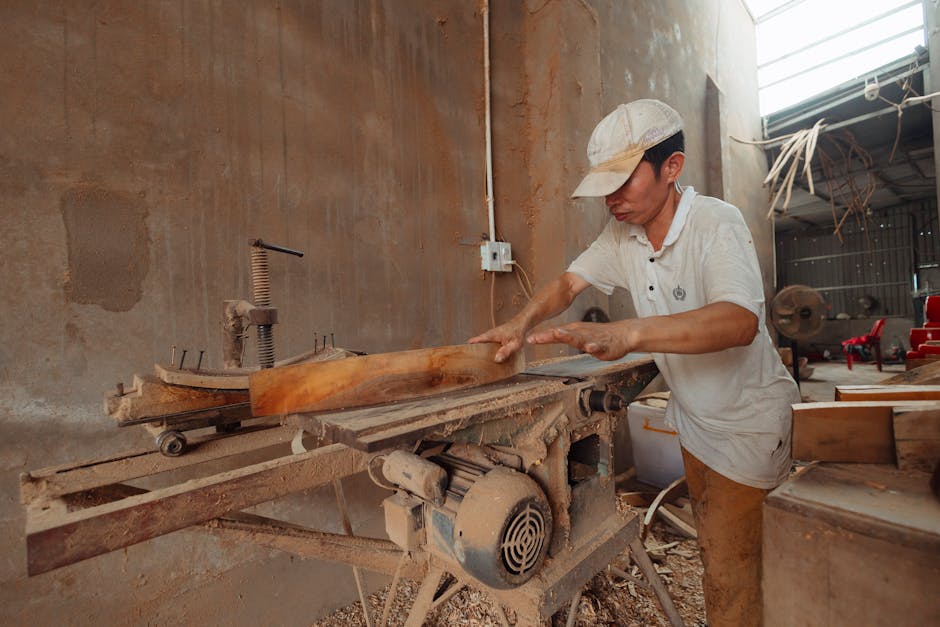
The Canadian woodworking industry stands out globally, driven by its vast natural resources and a commitment to quality. As a global powerhouse, Canada's forest sector contributed over $21 billion to GDP in 2024, employing over 194,000 direct jobs.
This industry is defined by several unique factors, from its sustainable forestry practices to its adaptation to a diverse climate and bilingual market demands.
Abundant Natural Resources and Sustainable Forestry
Canada boasts 369 million hectares of forest, accounting for 9% of the world's total forests and a quarter of its boreal forest. This provides unparalleled access to diverse wood species.
The sector is a global leader in sustainable forest management, with 45% of forested land certified to third-party standards. This commitment ensures a consistent supply of premium softwoods like Douglas Fir and Western Red Cedar, and hardwoods such as Maple and Oak, shaping Canada's production capabilities and export strength.
Strict Quality Standards and Certifications
Canadian woodworking adheres to stringent quality standards that are recognized globally. While specific CSA woodworking standards are not detailed in general reports, the National Building Code (NBC) mandates a maximum moisture content (MC) of 19% for "dry" lumber at installation, applicable nationwide.
Third-party certifications like FSC, SFI, and PEFC are also widely adopted, with Canada managing approximately 40% of the world's certified sustainably managed forests. These standards enhance Canada's competitive edge in international markets.
Bilingual Market and Cultural Influences
Canada's dual official languages create a unique market dynamic, requiring millwork shops to cater to both English and French-speaking clients. Quebec, in particular, has a distinct architectural heritage that influences millwork styles, leading to specialized product niches.
Across the country, regional design variations reflect Canada's diverse cultural landscape. This necessitates flexibility in design and production, often supported by integrated software solutions.
Climate Considerations in Production
Canada's extreme temperature fluctuations significantly impact wood behavior and manufacturing processes. Managing moisture content is crucial, with indoor equilibrium MC stabilizing at 8-14% and outdoors at 12-18%, depending on regional humidity.
This expertise in handling wood for harsh environments translates into durable, high-quality products. Proper acclimation and testing are best practices, especially in varied climates like British Columbia's interior where optimum timber MC averages around 10%.
Export-Oriented Economy and Trade Relationships
The Canadian woodworking industry is heavily export-oriented, with the United States being its primary market. In 2024, the U.S. received $11.4 billion in Canadian wood products.
Despite challenges like the ongoing softwood lumber dispute, which has resulted in combined duties and tariffs of 45.6% on most Canadian softwood lumber exports, the industry adapts through innovation and efficiency.
Factor | Canadian Industry | US Industry |
|---|---|---|
Forest Certification Coverage | ~40% of world's certified forests (CCFM) | Lower percentage of global certified forests |
Primary Export Markets | USA (dominant), Japan, China (World Bank) | Global, but significant domestic market focus |
Climate Adaptation Requirements | Extreme temperature variations, strict moisture content management (CWC) | Varied, but generally less extreme temperatures |
Regulatory Standards Complexity | National Building Code, provincial variations, CSA-endorsed standards | IBC, state-specific building codes, varied industry standards |
Average Shop Size | Mix of small to large, often serving niche markets | Broad spectrum, from small custom shops to large manufacturers |
Technology Investment Trends | Accelerating CNC and automation adoption, aided by federal programs (Mordor Intelligence) | High adoption rates, driven by labor costs and efficiency needs |
Technology Adoption and Innovation
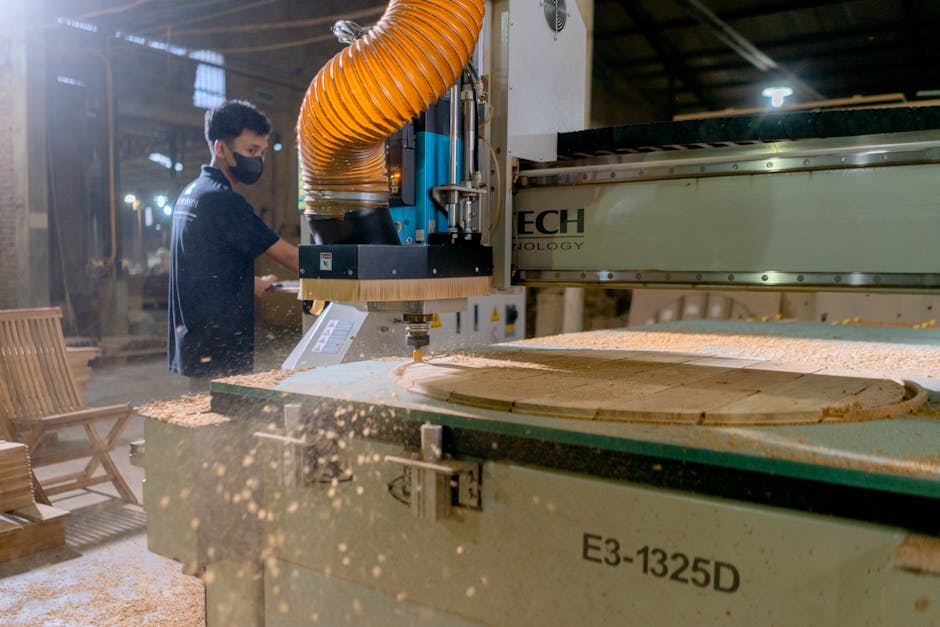
Canadian millwork shops are increasingly embracing advanced manufacturing technologies. While only 8.4% of Canadian manufacturers used robotics in 2022, the metal fabrication equipment market, which includes CNC systems, is projected to grow at a CAGR of 5.06% through 2031.
Solutions like Millbase woodworking software are purpose-built for Canadian operations, accounting for metric/imperial requirements, tax structures, and bilingual needs. This focus on technology helps overcome challenges like labor shortages, with the construction industry needing 349,000 net new workers by 2026.
Key Takeaways
Canada's woodworking industry benefits from abundant, sustainably managed forest resources.
Strict quality standards and certifications enhance the global competitiveness of Canadian wood products.
The industry navigates a unique bilingual market and diverse regional design preferences.
Adapting to extreme climate variations has fostered expertise in wood processing and product durability.
An export-oriented economy drives innovation and efficiency, despite trade challenges.
Technology adoption, including CNC and specialized software like Millbase, is crucial for growth and overcoming labor shortages.
Conclusion: Leveraging Canadian Advantages
The Canadian woodworking industry's unique blend of natural wealth, stringent quality control, and adaptability to diverse market and environmental conditions sets it apart. These factors not only define the industry but also provide significant competitive advantages for millwork shops.
Understanding and leveraging these distinctive characteristics, coupled with the strategic implementation of woodworking software and job costing platforms like Millbase, enables Canadian operations to optimize production time management, reduce errors, and thrive in an increasingly complex global market.
Frequently Asked Questions
What wood species are most commonly used in Canadian millwork?
Canadian millwork primarily utilizes regionally abundant species. These include softwoods like Douglas Fir and Western Red Cedar for structural and exterior applications, and hardwoods such as Hard Maple and Red Oak for cabinetry, flooring, and fine furniture, chosen for their durability and aesthetic qualities.
How does Canada's climate affect woodworking and millwork production?
Canada's climate, with its extreme temperature and humidity swings, necessitates rigorous moisture content management in wood. Shops must carefully dry and acclimate wood to prevent warping or cracking post-installation, often leading to seasonal production planning and specialized wood treatment processes to ensure product stability in diverse environments.
Is Canadian woodworking software different from American options?
Yes, Canadian woodworking software, such as Millbase, is specifically designed to address local market needs. This includes supporting both metric and imperial measurements, integrating Canadian tax structures and financial reporting, accommodating bilingual requirements for documentation and user interfaces, and adhering to specific Canadian regulatory standards, making it purpose-built for Canadian operations.
What certifications do Canadian millwork shops need to compete internationally?
To compete internationally, Canadian millwork shops often require certifications such as FSC (Forest Stewardship Council) or SFI (Sustainable Forestry Initiative) to demonstrate sustainable sourcing. Additionally, adherence to CSA (Canadian Standards Association) standards and various provincial trade qualifications are important for quality assurance and market access, particularly for export to the US.
Why is the Canadian woodworking industry so export-focused?
The Canadian woodworking industry is export-focused due to its vast production capacity relative to its smaller domestic market, coupled with abundant natural resources. Proximity to the large US market and various trade agreements make exporting economically viable, driving innovation and efficiency to compete on a global scale.
How do Canadian millwork shops handle bilingual requirements?
Canadian millwork shops manage bilingual requirements by offering documentation, product labeling, and customer service in both English and French, especially when serving Quebec. Woodworking software and job costing platforms like Millbase often feature bilingual interfaces, enabling seamless communication and compliance across Canada's diverse linguistic landscape.